
From Conquest to Independence
Another Day of LifeThis flow links the history of colonial violence to the political struggle and fragile independence of the present-day narrative.
increasing Bearing strength in each event
 decreasing
Bearing strength in each eventdecreasingA History of Extraction
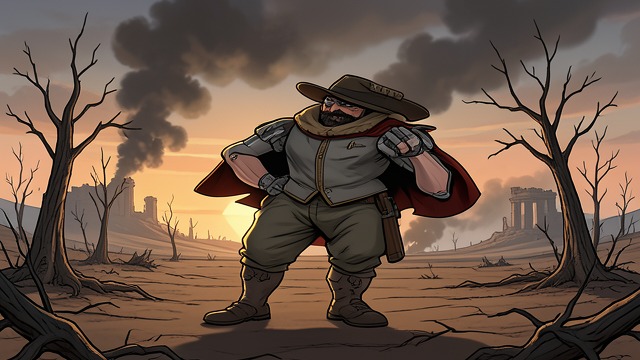
A History of Extraction
Land and forced labor
The historical account describes centuries in which colonial rule and the slave trade depleted Angola's population. The country's people were taken overseas while successive wars remade the land around extraction and control.
The past in the present
The history explains why the author repeatedly finds earlier violence inside contemporary conflict. The war of 1975 is new in its political setting, but it inherits older structures of coercion and loss.
Liberation Movements Form
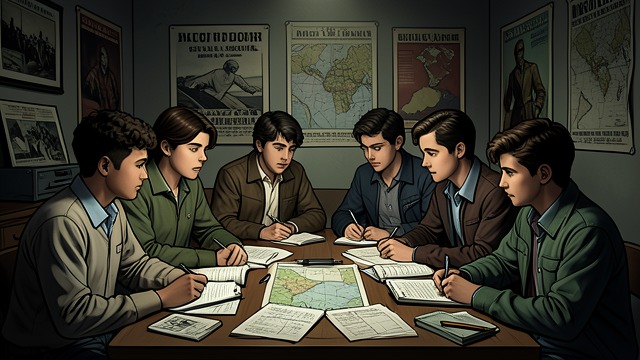
Liberation Movements Form
Poetry and organization
The cultural movement Vamos descobrir Angola brings together young intellectuals, including Agostinho Neto and other writers, before liberation politics become organized into competing movements. The Formation of the MPLA marks one major political outcome of this history.
A divided struggle
The FNLA and UNITA also emerge with distinct constituencies and leadership. The movements seek independence but do not arrive at a shared political future, setting the conditions for rivalry after colonial rule ends.
Independence Without Peace
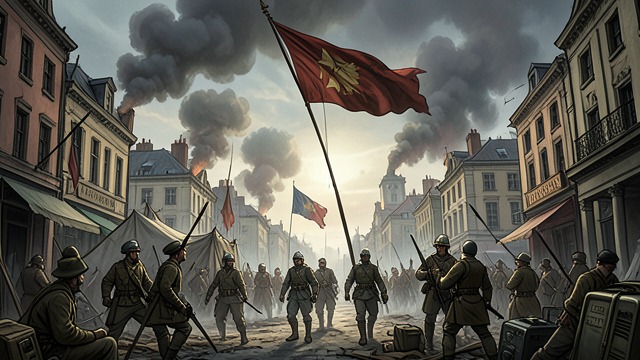
Independence Without Peace
The deadline arrives
The Alvor Agreement sets 11 November as the date for independence, but the provisional coalition fails as armed conflict escalates. Political authority, military control, and international recognition pull in different directions.
A new state at war
Agostinho Neto proclaims the republic as the city is still under threat. Statehood changes who claims sovereignty, but the struggle over what that sovereignty will mean remains unresolved.
From the sixteenth century onward
1948 to 1966
1975
